
The International Monetary Fund (IMF) on Thursday urged the Nigerian authorities and different African economies to be certain that savings realised from subsidy removing insurance policies are channelled in direction of social safety for poor and susceptible individuals of their nations.
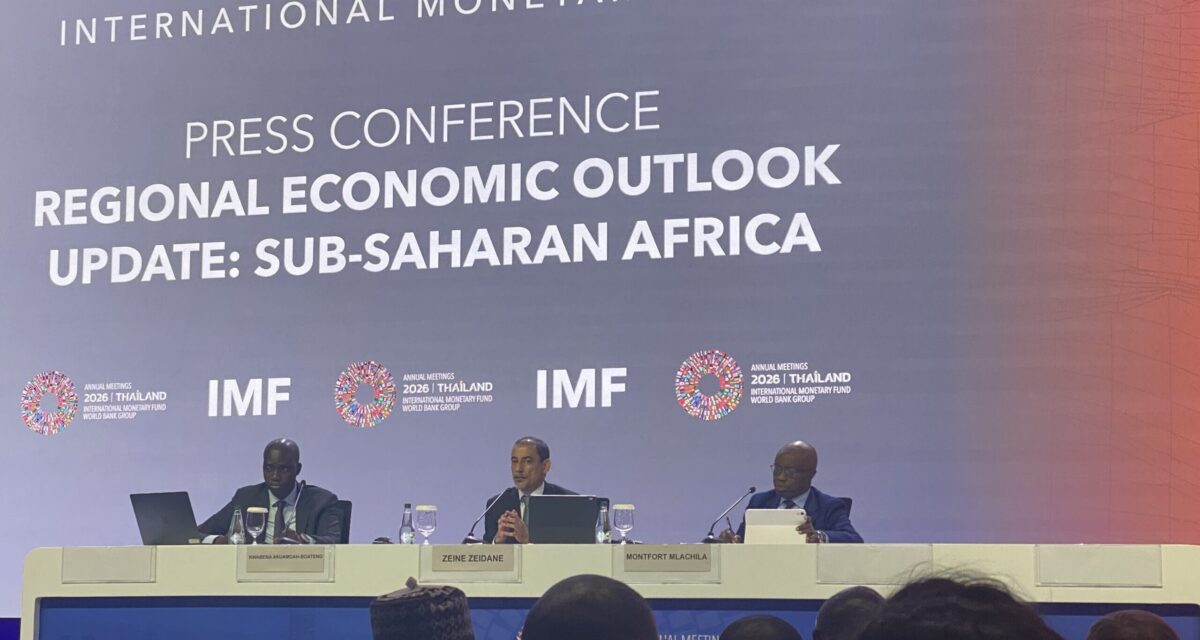
Zeine Zeidane, Director of the African Department of the IMF, made this recognized on the presentation of the Regional Economic Outlook Update for Sub-Saharan Africa on the sidelines of the World Bank/IMF annual conferences in Bangkok, Thailand.
Speaking in response to questions on the strain generated by subsidy removing by the federal government in Nigeria and different African economies, Mr Zeidane mentioned that it turns into crucial for the federal government to shield the poor within the face of excessive value of residing exacerbated by the removing od subsidy.
“On the query of subsidies, what I need to say is that as an establishment, we advocate generally to governments to pay nice consideration to social safety and to shield essentially the most susceptible elements of society.
“It’s not specific to Nigeria, if you look at our programme, we have many programmes but we have always indicated target on social spending. We care a lot about the most vulnerable components of society. Our advice on subsidies is that if you look at subsidies in general, and in particular energy subsidies, they benefit the most wealthy components of society,” he mentioned.
 Nigeria has launched a collection of reforms the federal government mentioned had been centered on fixing the construction of the financial system, though the influence has been monumental for a lot of Nigerians grappling with cost-of-living disaster.


The authorities launched reforms within the overseas trade market, abolished what it termed a wasteful, corruption-ridden subsidy regime amid fiscal pressures, and institutionalised tax reforms.
While the reforms have been hailed as optimistic for the nation’s fiscal well being by international growth and monetary establishments, many Nigerians have expressed frustrations over their influence on the home entrance amid skyrocketed power costs, excessive value of residing and varied inflationary pressures.
Subsidy
The IMF official defined that subsidies, in contrast to focused interventions, go to individuals who don’t want it, whereas placing stress on authorities’s funds and monetary stability.
He mentioned: “So when you do a certain quantity of subsidies, most of it’s going to those that don’t want it. And our recommendation in lots of locations has been to section these subsidies steadily, and make sure that what you save from the subsidy reform is nicely focused to those that really need it. It’s higher to help individuals who want help than supporting product that truly can have an effect on each your fiscal place but additionally for oil importers, for instance, the extent of import invoice that you’ve.
“So it’s important to have a targeted system of support to the most vulnerable components of society.”
Speaking on financial coverage, the IMF mentioned Nigeria has made vital progress in direction of reducing inflation as a result of it has been coming from a excessive stage and the nation had a high-rate rate of interest.
On the expansion aspect, the IMF mentioned its recommendation for the federal government has at all times been to, on one aspect, mobilise extra home income exterior the oil sector, to create fiscal area for schooling, well being, and infrastructure.
The fund additionally suggested Nigeria to “continue the structural reform to be more effective for the private sector”, including that Nigeria “is a country that has a lot of dynamism, a lot of young entrepreneurs, young tech-savvy populations. So it’s a large market, very attractive for private investment in general.”
The IMF mentioned it will be important to do the structural reform by way of governments, enterprise surroundings, and integration and so forth.
“So all this will certainly help accelerate growth and create jobs,” Mr Zeidane mentioned.
Sub-Saharan Africa Outlook
In its regional report, the IMF mentioned Sub-Saharan Africa is predicted to develop by 4.5 % in each 2026 and 2027 whereas international provide adjustment, favorable export receipts in some nations, and earlier reforms have helped cushion the Middle East battle shock.
READ ALSO: Minister defends NNPC petrol discount, says it’s not return to subsidy
The report added, nevertheless, that regular regional progress masks totally different nation experiences with slowing progress in non-resource-intensive economies and continued resilience in resource-intensive ones.
It mentioned pre-war fiscal adjustment and declining debt ratios are essential achievements, but excessive curiosity burdens, low reserves in lots of nations, and falling assist depart restricted room for absorbing one other adversarial shock.
The report mentioned dangers stay decidedly tilted to the draw back, and insurance policies ought to maintain wanted fiscal adjustment, save momentary commodity windfalls, goal help to susceptible households, and comprise persistent inflation.
Protecting productive funding and enabling private-sector progress are important to make future shocks less expensive and enhance longer-term residing requirements, the IMF mentioned.
Discover extra from Premium Times Nigeria
Subscribe to get the newest posts despatched to your e mail.